Imagine a neighbourhood resident who has put off seeing a doctor. She can find the consultation fee, but she does not know whether she can also afford the prescription. A free visit would solve only part of her problem.
This is the practical question behind Al-Wahid Foundation’s proposed sessions in Lahore. We are exploring a way to fund consultation time and a limited range of essential medicines together, through an established dispensary. The example describes a possible patient journey. The project is still in planning.
Before the first visit
A useful session starts with clear information. Before opening, the host and project team would need to agree who the sessions are for, how people can ask to attend, what is free and what happens when every place is taken. Those details should be available locally in language residents understand. An online announcement alone would miss people who do not use the internet regularly.
We propose a short, private conversation about the cost of obtaining care. For instance, someone might manage a fee once but struggle to pay it regularly alongside medicine costs. The host should apply the same agreed criteria to people who arrive independently and those referred by a neighbourhood group. A patient should not need a personal introduction to ask for a place.
During a consultation
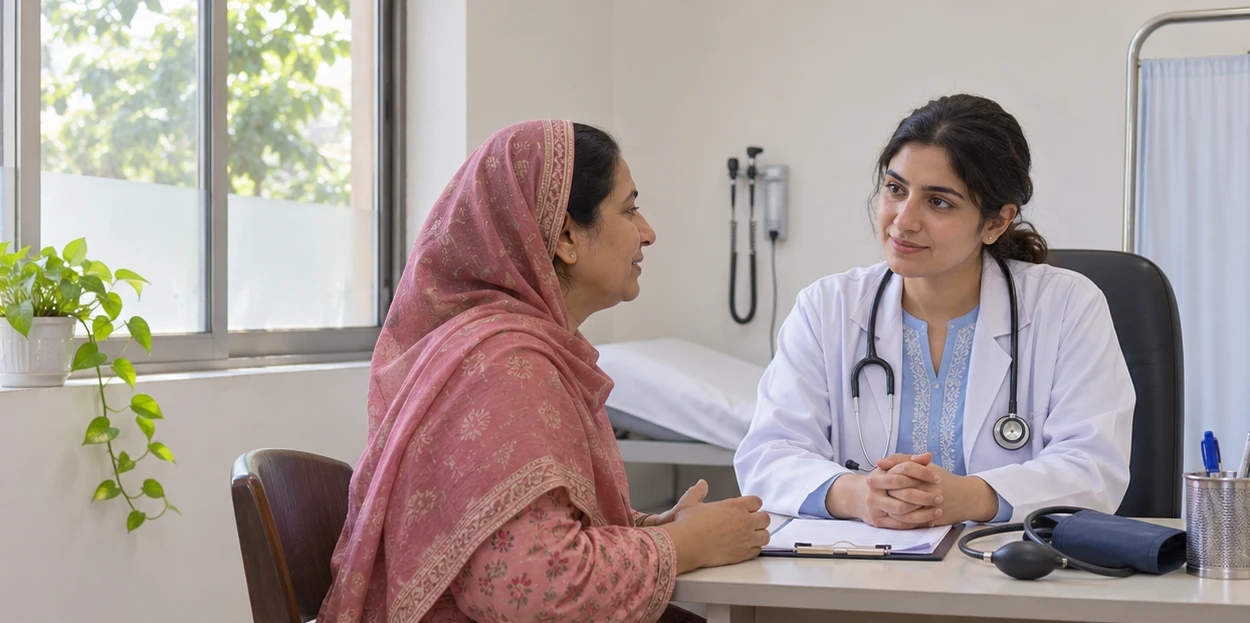
The clinician would assess the patient in private and decide what, if any, treatment is appropriate. A consultation might end with advice, a prescription, a follow-up plan or referral for further assessment. The funding arrangement should leave that judgement with qualified staff. A patient who needs no medicine still receives the full benefit of the visit.
Before the patient leaves, the clinician should explain the next step. If a test or specialist visit falls outside the programme, the patient should hear that before making plans or incurring expense. The proposed sessions are for routine primary care. Emergency and hospital care require a different service.
Making a prescription affordable
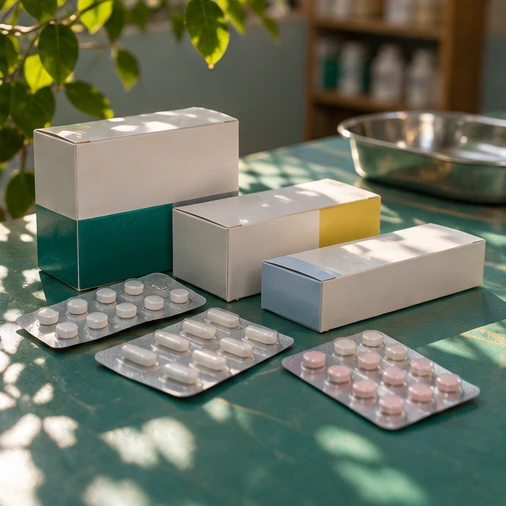
A promise of free medicines is meaningful only if the host can say which items are included and whether they are in stock. We would agree a list with the clinical provider, estimate the quantities needed and review the list against actual demand. Patients prescribed a covered item would collect it without paying a dispensing charge under the proposed arrangement.
If an item runs out, the dispenser should tell the patient and refer the question back to the clinician as needed. A missing item should also appear in the session report. Counting it as supplied would hide a real cost the patient still faces. Reports should distinguish medicine prescribed from medicine actually handed over.
Choosing a dispensary and agreeing costs
We would compare the barriers residents describe with what nearby providers already offer. A lower-cost venue may still be difficult to reach, lack a private consultation space or open only during working hours. Conversations with prospective hosts should cover these practical details alongside licences, staff credentials, safe dispensing and referral arrangements.
A written agreement would define a session, set the eligible costs and assign responsibility for staffing, stock, records and complaints. Before committing to regular sessions, we would need a realistic budget for clinician time and medicines, a way to verify invoices and a plan for telling residents if a session is cancelled. No provider or opening date has been announced.
Checking what reaches patients
For each funded session, we would ask how many patients were seen, how many prescribed items were supplied, what ran out and how many people needed onward referral. The project could compare these totals with the agreed budget, supplier records and the host’s invoices. Clinical notes would stay with the care provider. The project’s review would use totals without patient names.
Numbers alone would miss an important question. Did anyone pay for something the session described as free? A private route for feedback would help us investigate unexpected charges or difficulties obtaining a place. A repeated stock shortage, for example, might call for a different purchasing schedule before funding additional sessions.
What comes after the first sessions?
We would use those findings to decide whether to continue, change the hours, revise the medicines budget or pause. A dedicated dispensary is a longer-term possibility. It would require separate evidence of need, sustainable funding and a workable clinical and premises plan. The first task is narrower and concrete: establish whether supported sessions at an existing facility can reliably remove the cost of a basic visit.
Further reading
The World Health Organization explains the role of care close to where people live in its overview of primary health care. This provides background to the approach. The service arrangements above are Al-Wahid’s proposal.